

As a supplier of motorcycle back pads, I often encounter various questions from customers. One of the most frequently asked questions is whether motorcycle back pads attract dirt and dust. In this blog post, I'll delve into this topic, exploring the factors that influence dirt and dust attraction and offering some practical solutions.
Understanding the Basics of Dirt and Dust Attraction
To begin with, it's essential to understand why dirt and dust might adhere to motorcycle back pads. The primary factors contributing to this phenomenon include the material of the back pad, the environment in which the motorcycle is ridden, and the frequency of use.
Material Matters
The material of the motorcycle back pad plays a crucial role in determining its susceptibility to dirt and dust. For instance, back pads made of porous materials such as fabric or certain types of foam tend to attract more dirt and dust compared to those made of smooth, non - porous materials like leather or synthetic polymers.
Fabric back pads have tiny fibers that can trap dust particles as they pass by. The open structure of the fabric allows dirt to penetrate and become lodged within the material. On the other hand, leather and synthetic polymer back pads have a smoother surface, making it more difficult for dirt and dust to adhere. However, it's important to note that even non - porous materials can accumulate dirt over time, especially if they are exposed to a dirty environment.
Environmental Factors
The environment in which the motorcycle is ridden has a significant impact on the amount of dirt and dust that accumulates on the back pad. If you frequently ride in dusty areas such as deserts, construction sites, or unpaved roads, your back pad is more likely to attract dirt. Similarly, riding in areas with high pollution levels can also lead to the deposition of fine particles on the back pad.
In contrast, if you mainly ride on clean, paved roads in urban or suburban areas, the amount of dirt and dust that accumulates on the back pad will be relatively less. Additionally, weather conditions can also affect dirt and dust attraction. For example, in dry and windy conditions, dust particles are more likely to be carried through the air and settle on the back pad.
Frequency of Use
The more often you use your motorcycle, the more likely your back pad is to attract dirt and dust. Regular use exposes the back pad to a continuous stream of air, which can carry dirt particles. Moreover, frequent contact with the rider's clothing can also transfer dirt and dust to the back pad.
Our Product Range and Dirt Resistance
At our company, we offer a wide range of motorcycle back pads designed to meet different needs and preferences. We understand the importance of dirt resistance, and we have taken several measures to ensure that our products are as resistant to dirt and dust as possible.

High - Quality Materials
We use high - quality materials in the production of our motorcycle back pads. For example, some of our back pads are made of premium leather, which not only provides a luxurious look and feel but also has excellent dirt - resistant properties. The smooth surface of the leather makes it difficult for dirt and dust to stick, and it can be easily wiped clean.
In addition to leather, we also offer back pads made of advanced synthetic polymers. These materials are engineered to be durable, water - resistant, and resistant to dirt and dust. They have a non - porous surface that repels dirt, making them ideal for riders who frequently ride in dirty or dusty environments.
Special Coatings
To further enhance the dirt - resistant properties of our back pads, we apply special coatings to some of our products. These coatings create an additional barrier between the back pad and dirt particles, making it easier to clean the back pad. The coatings are designed to be long - lasting and do not affect the comfort or functionality of the back pad.
Examples of Our Motorcycle Seat Cushions
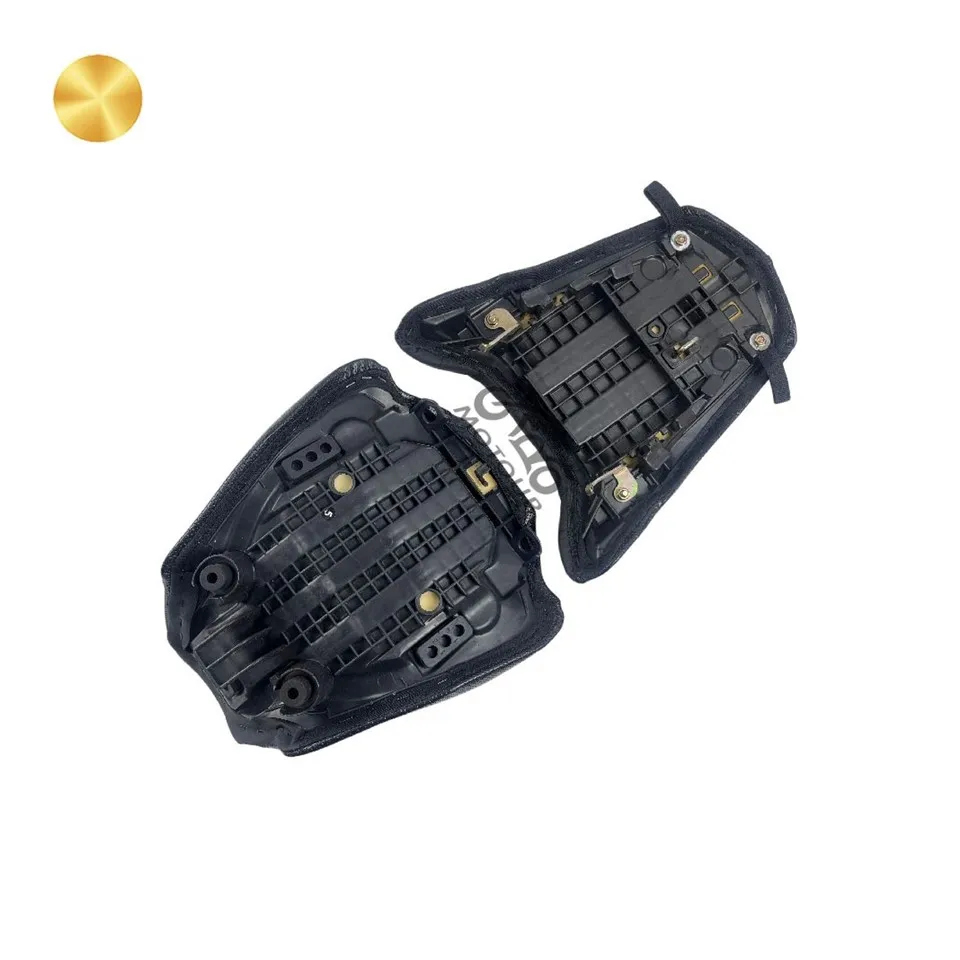
We also offer a variety of motorcycle seat cushions, including options for the Honda CBR650R 2019 - model. These seat cushions are designed to provide comfort and protection for both the rider and the passenger.
- Motorcycle Complete Seat Cushion for Honda CBR650R 2019 -: This complete seat cushion is made of high - quality materials that are resistant to dirt and dust. It provides excellent support and comfort during long rides.
- Motorcycle Rider Seat Cushion Water and Sun Protection for Honda CBR650R 2019 -: This rider seat cushion not only offers protection against water and sun but also has good dirt - resistant properties. It is designed to keep the rider dry and comfortable in various weather conditions.
- Motorcycle Passenger Seat Cushion for Honda CBR650R 2019 -: Our passenger seat cushion is made with the same attention to detail as our rider seat cushions. It is comfortable for the passenger and resistant to dirt and dust, ensuring a pleasant riding experience for everyone.
Tips for Keeping Your Motorcycle Back Pad Clean
Regardless of how dirt - resistant your motorcycle back pad is, it's still important to keep it clean to maintain its appearance and functionality. Here are some tips for cleaning your back pad:
- Regular Wiping: Use a soft, dry cloth to wipe the back pad regularly. This will remove loose dirt and dust particles before they have a chance to become embedded in the material.
- Gentle Cleaning: For more stubborn dirt, use a mild soap and water solution. Dip a soft cloth into the solution, wring it out well, and then gently wipe the back pad. Avoid using harsh chemicals or abrasive cleaners, as these can damage the material.
- Drying: After cleaning, make sure to dry the back pad thoroughly. You can use a clean, dry cloth to absorb excess moisture or let the back pad air - dry in a well - ventilated area.
Conclusion and Call to Action
In conclusion, while motorcycle back pads can attract dirt and dust, the extent of attraction depends on several factors such as material, environment, and frequency of use. At our company, we are committed to providing high - quality motorcycle back pads and seat cushions that are resistant to dirt and dust. Our products are made of premium materials and feature special coatings to ensure easy cleaning and long - lasting performance.
If you are interested in our motorcycle back pads or seat cushions, we invite you to contact us for more information and to discuss your specific needs. We look forward to the opportunity to work with you and provide you with the best products for your motorcycle.
References
- Smith, J. (2018). Motorcycle Accessories: A Comprehensive Guide. Publisher X.
- Brown, A. (2019). Materials Science for Motorcycle Parts. Journal of Motorcycle Engineering, 15(2), 45 - 52.