

As a dedicated supplier of motorbike rider cushions, I've witnessed firsthand the crucial role that these seemingly simple accessories play in enhancing the riding experience. The materials used in crafting these cushions are not just a matter of comfort; they are a blend of science, technology, and innovation. In this blog, I'll delve into the various materials commonly used in motorbike rider cushions, exploring their properties, benefits, and how they contribute to the overall quality of the product.
Foam Materials
Foam is the most fundamental component of a motorbike rider cushion. It provides the necessary support and comfort for the rider during long hours on the road. There are several types of foam commonly used in the industry, each with its own unique characteristics.
Polyurethane Foam
Polyurethane foam is one of the most popular choices for motorbike rider cushions. It is known for its excellent resilience, which means it can quickly return to its original shape after being compressed. This property ensures that the cushion maintains its shape and support over time, even with frequent use.
Polyurethane foam also offers good shock absorption, which helps to reduce the impact of bumps and vibrations on the rider's body. This is particularly important for long-distance riders, as it can help to prevent fatigue and discomfort.
In addition, polyurethane foam is relatively inexpensive compared to other types of foam, making it a cost-effective option for manufacturers. However, it is important to note that the quality of polyurethane foam can vary significantly depending on the density and formulation. Higher-density foams generally offer better support and durability, but they can also be more expensive.
Memory Foam
Memory foam is another type of foam that is commonly used in motorbike rider cushions. It is known for its ability to conform to the shape of the rider's body, providing personalized support and comfort. Memory foam is made from a viscoelastic material that responds to heat and pressure, allowing it to mold to the contours of the rider's body.
One of the main benefits of memory foam is its ability to distribute pressure evenly across the cushion. This helps to reduce pressure points, which can cause pain and discomfort during long rides. Memory foam also offers excellent shock absorption, which can help to reduce the impact of bumps and vibrations on the rider's body.
However, memory foam can be more expensive than polyurethane foam, and it may not be as durable in high-temperature environments. In addition, some riders may find that memory foam takes too long to return to its original shape after being compressed, which can be a drawback.
Latex Foam
Latex foam is a natural foam that is made from the sap of rubber trees. It is known for its excellent elasticity, which means it can stretch and recover its shape easily. Latex foam also offers good support and comfort, as well as excellent shock absorption.
One of the main benefits of latex foam is its durability. It is resistant to wear and tear, and it can last for many years with proper care. Latex foam is also hypoallergenic, which makes it a good option for riders who have allergies or sensitivities.
However, latex foam can be more expensive than other types of foam, and it may not be as widely available. In addition, some riders may find that latex foam is too firm or too soft for their liking.
Cover Materials
The cover material of a motorbike rider cushion is also an important factor to consider. It not only affects the appearance of the cushion but also its durability, comfort, and functionality.

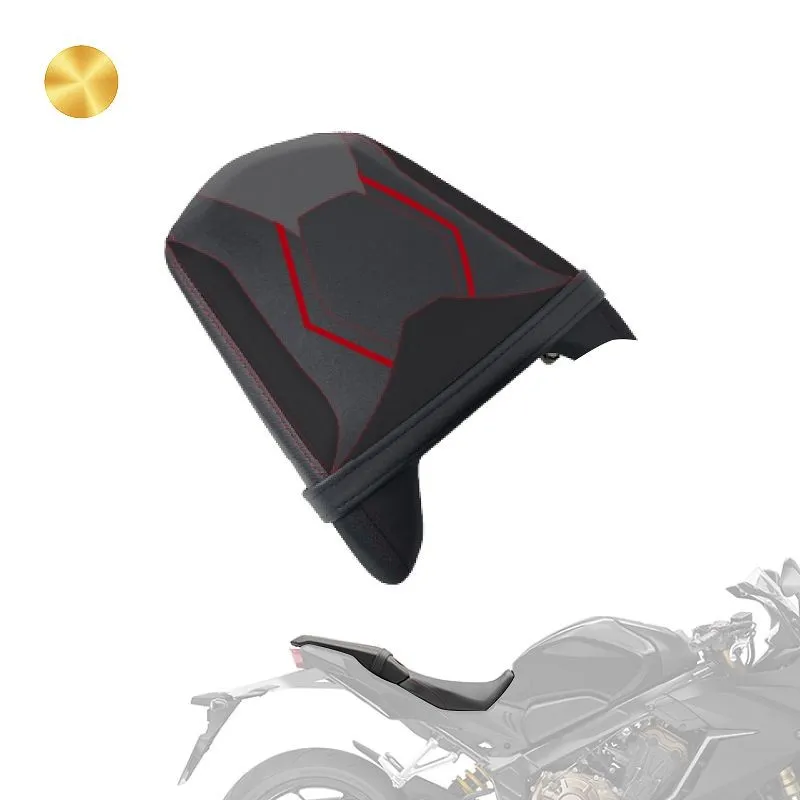
Leather
Leather is a classic choice for motorbike rider cushions. It is known for its durability, elegance, and comfort. Leather is a natural material that is resistant to wear and tear, and it can last for many years with proper care.
One of the main benefits of leather is its ability to breathe. This means that it allows air to circulate through the cushion, which helps to keep the rider cool and comfortable. Leather also has a soft and smooth texture, which can enhance the riding experience.
However, leather can be more expensive than other types of cover materials, and it requires regular maintenance to keep it looking its best. In addition, leather can be prone to cracking and fading over time, especially if it is exposed to sunlight and moisture.
Synthetic Materials
Synthetic materials, such as nylon, polyester, and vinyl, are also commonly used in motorbike rider cushions. These materials are known for their durability, affordability, and ease of maintenance.
Synthetic materials are generally more resistant to wear and tear than leather, and they can withstand harsh weather conditions. They are also easier to clean and maintain, as they can be wiped down with a damp cloth.
In addition, synthetic materials can be designed to have a variety of textures and colors, which allows manufacturers to create cushions that are both functional and stylish. However, some riders may find that synthetic materials are not as comfortable as leather, as they may not breathe as well.
Waterproof Materials
Waterproof materials, such as Gore-Tex and neoprene, are often used in motorbike rider cushions that are designed for use in wet conditions. These materials are known for their ability to repel water, which helps to keep the rider dry and comfortable.
Waterproof materials are also resistant to mold and mildew, which can be a problem in damp environments. In addition, they can provide some insulation, which can help to keep the rider warm in cold weather.
However, waterproof materials can be more expensive than other types of cover materials, and they may not be as breathable. This means that the rider may feel hot and sweaty if they are wearing a cushion made from a waterproof material for an extended period of time.
Other Materials
In addition to foam and cover materials, there are several other materials that may be used in motorbike rider cushions to enhance their functionality and performance.
Gel
Gel is a popular material that is often used in motorbike rider cushions to provide additional support and comfort. Gel is a viscoelastic material that can conform to the shape of the rider's body, providing personalized support and pressure relief.
Gel also offers excellent shock absorption, which can help to reduce the impact of bumps and vibrations on the rider's body. In addition, gel is cool to the touch, which can help to keep the rider comfortable in hot weather.
However, gel can be more expensive than other types of materials, and it may not be as durable. In addition, some riders may find that gel is too soft or too sticky for their liking.
Fiberglass
Fiberglass is a lightweight and strong material that is often used in motorbike rider cushions to provide additional support and stability. Fiberglass is made from fine glass fibers that are woven together to form a strong and rigid structure.
Fiberglass is known for its high strength-to-weight ratio, which means it can provide excellent support without adding too much weight to the cushion. It is also resistant to corrosion and wear, which makes it a durable option for long-term use.
However, fiberglass can be more expensive than other types of materials, and it may not be as comfortable as foam or gel. In addition, fiberglass can be brittle and may break if it is subjected to excessive force.
Conclusion
In conclusion, the materials used in motorbike rider cushions play a crucial role in determining their comfort, durability, and performance. Foam materials provide the necessary support and cushioning, while cover materials protect the foam and enhance the appearance of the cushion. Other materials, such as gel and fiberglass, can be used to enhance the functionality and performance of the cushion.
As a supplier of motorbike rider cushions, we understand the importance of using high-quality materials to ensure the best possible riding experience for our customers. We offer a wide range of cushions made from different materials, including polyurethane foam, memory foam, leather, synthetic materials, and waterproof materials. Whether you are a long-distance rider, a commuter, or a weekend warrior, we have a cushion that is right for you.
If you are interested in learning more about our motorbike rider cushions or would like to discuss your specific needs, please feel free to [contact us for a purchase consultation]. We would be happy to help you find the perfect cushion for your bike.
References
- "Motorcycle Seating Comfort: A Review of the Literature." Journal of Safety Research, vol. 42, no. 3, 2011, pp. 201-212.
- "The Effects of Seat Cushion Design on Motorcycle Rider Comfort and Performance." Proceedings of the Human Factors and Ergonomics Society Annual Meeting, vol. 52, no. 1, 2008, pp. 123-127.
- "Materials for Motorcycle Rider Seats: A Comparative Analysis." Journal of Materials Science and Technology, vol. 28, no. 6, 2012, pp. 543-550.